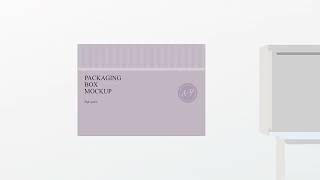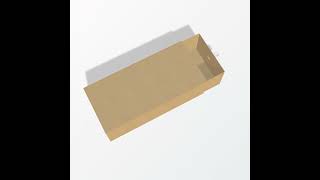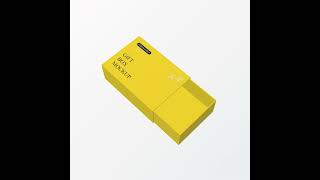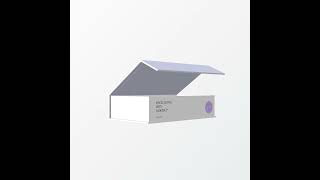
Interlocking and Folding Boxes
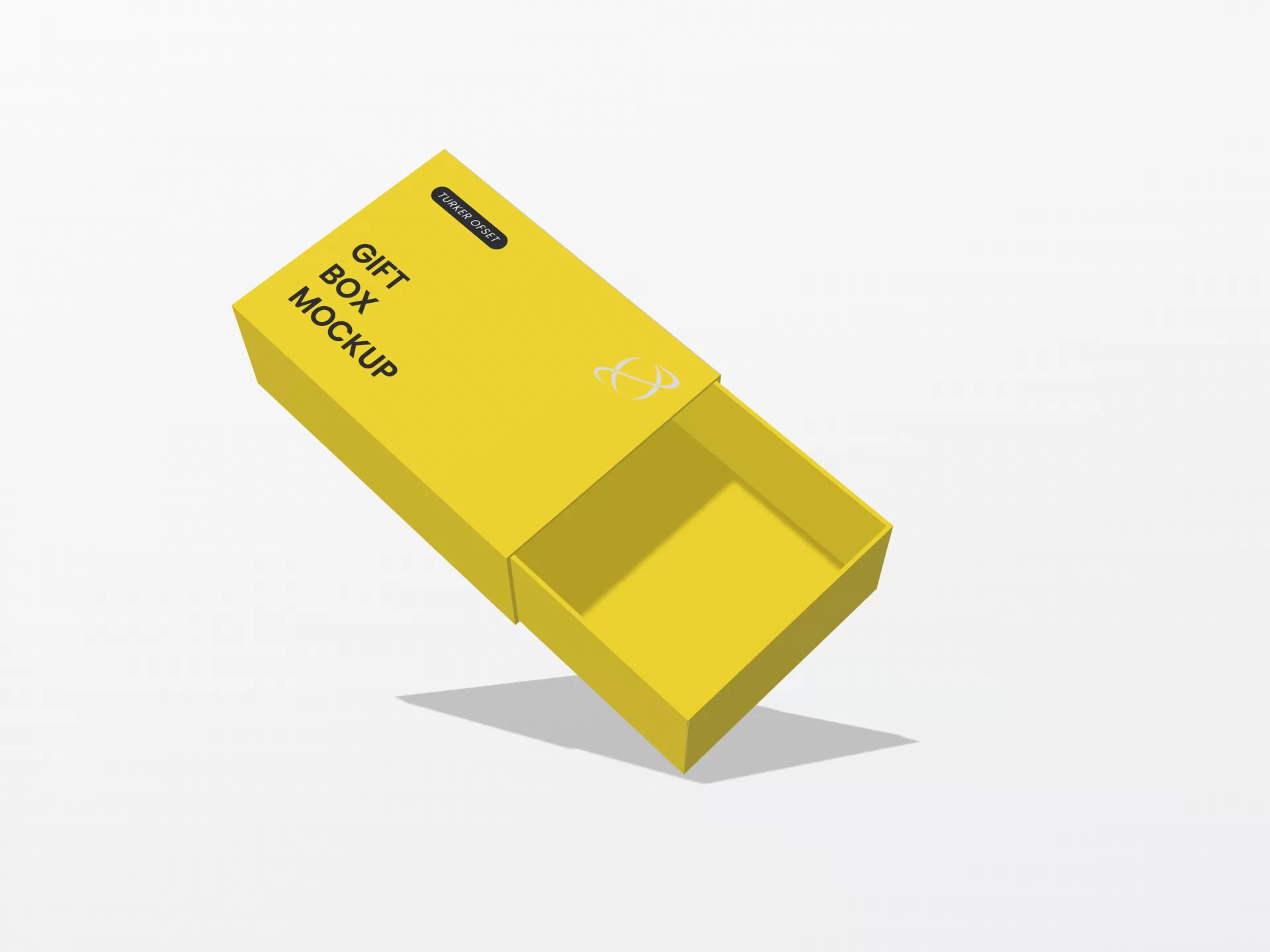
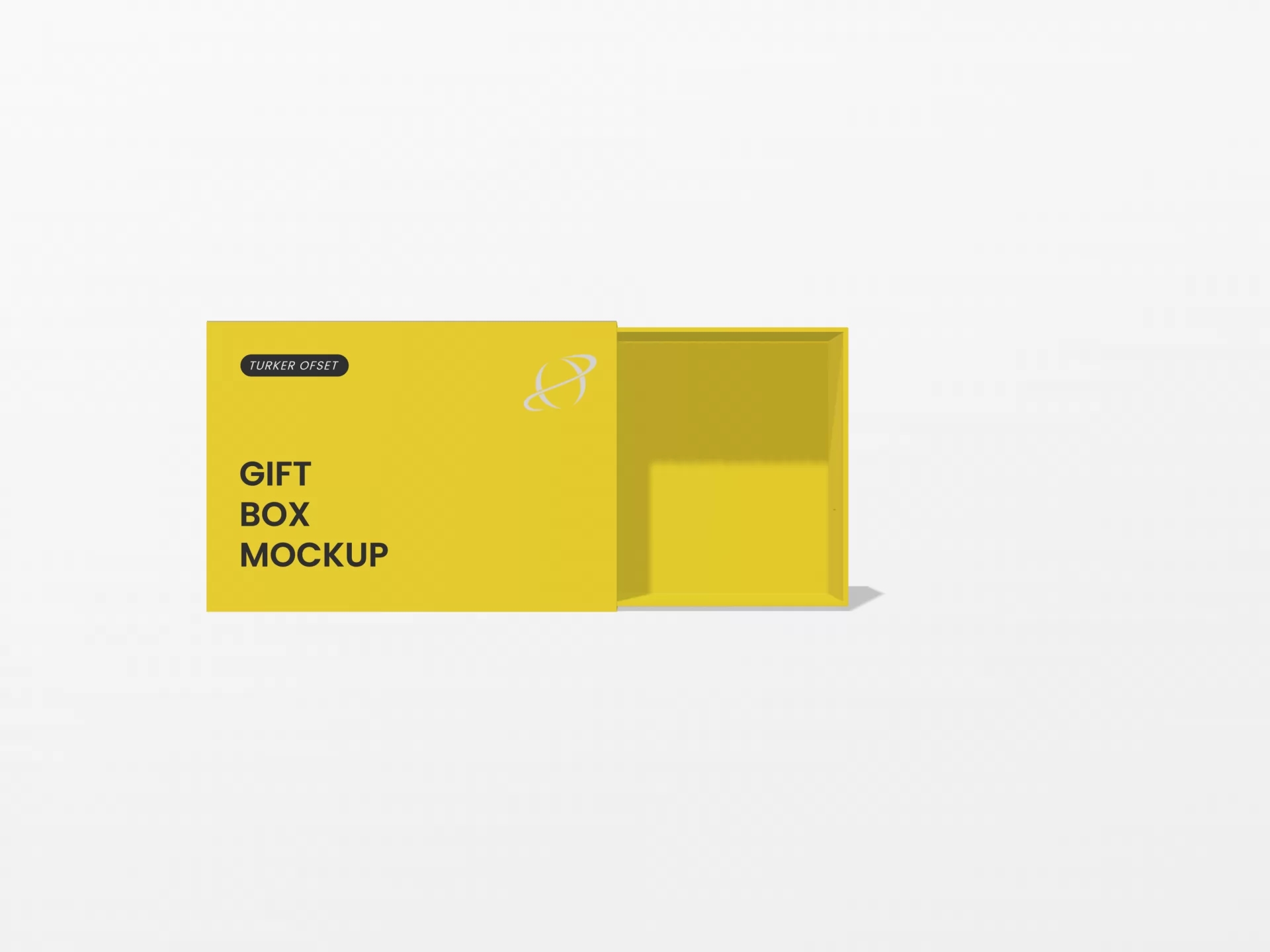
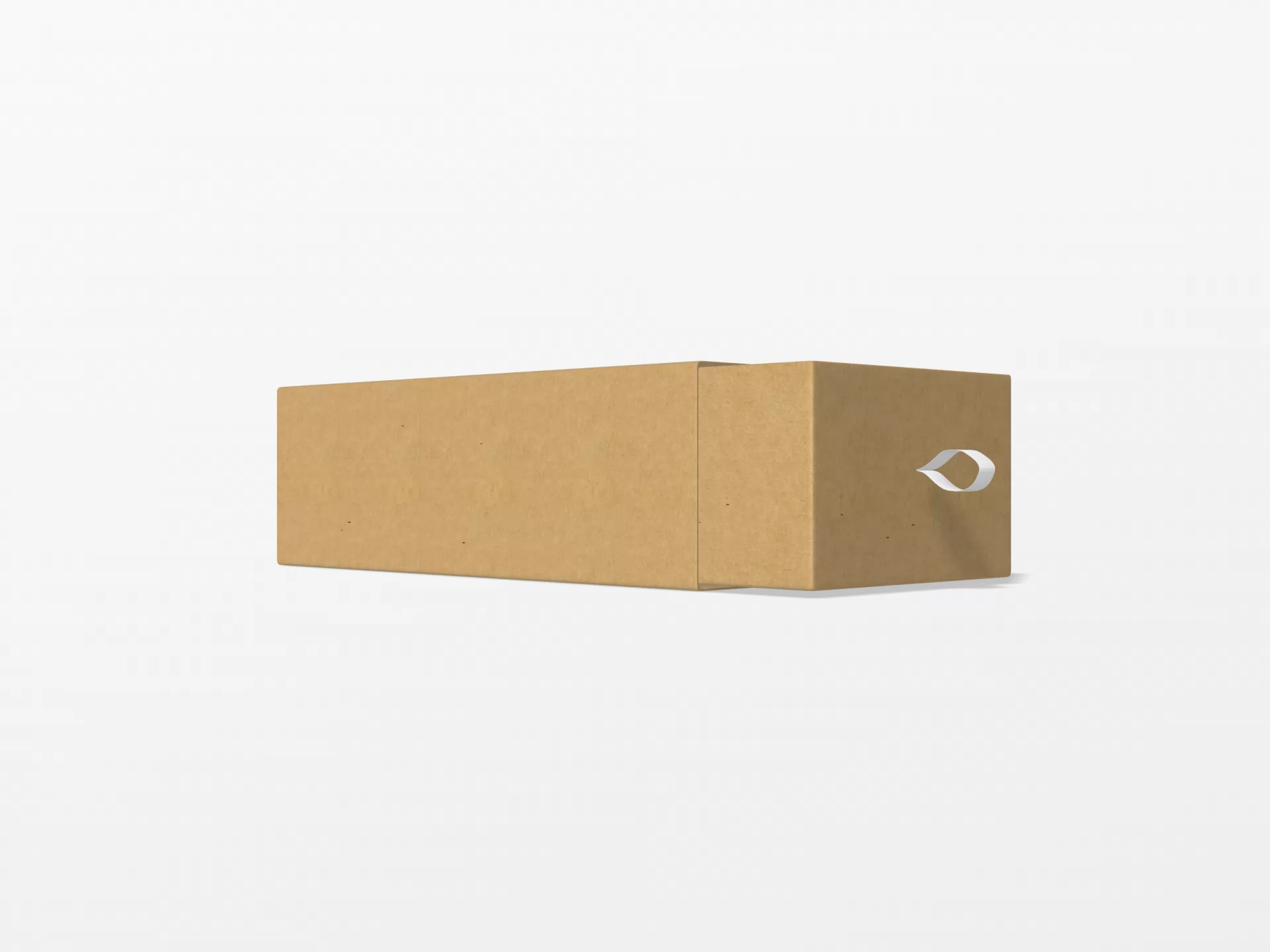
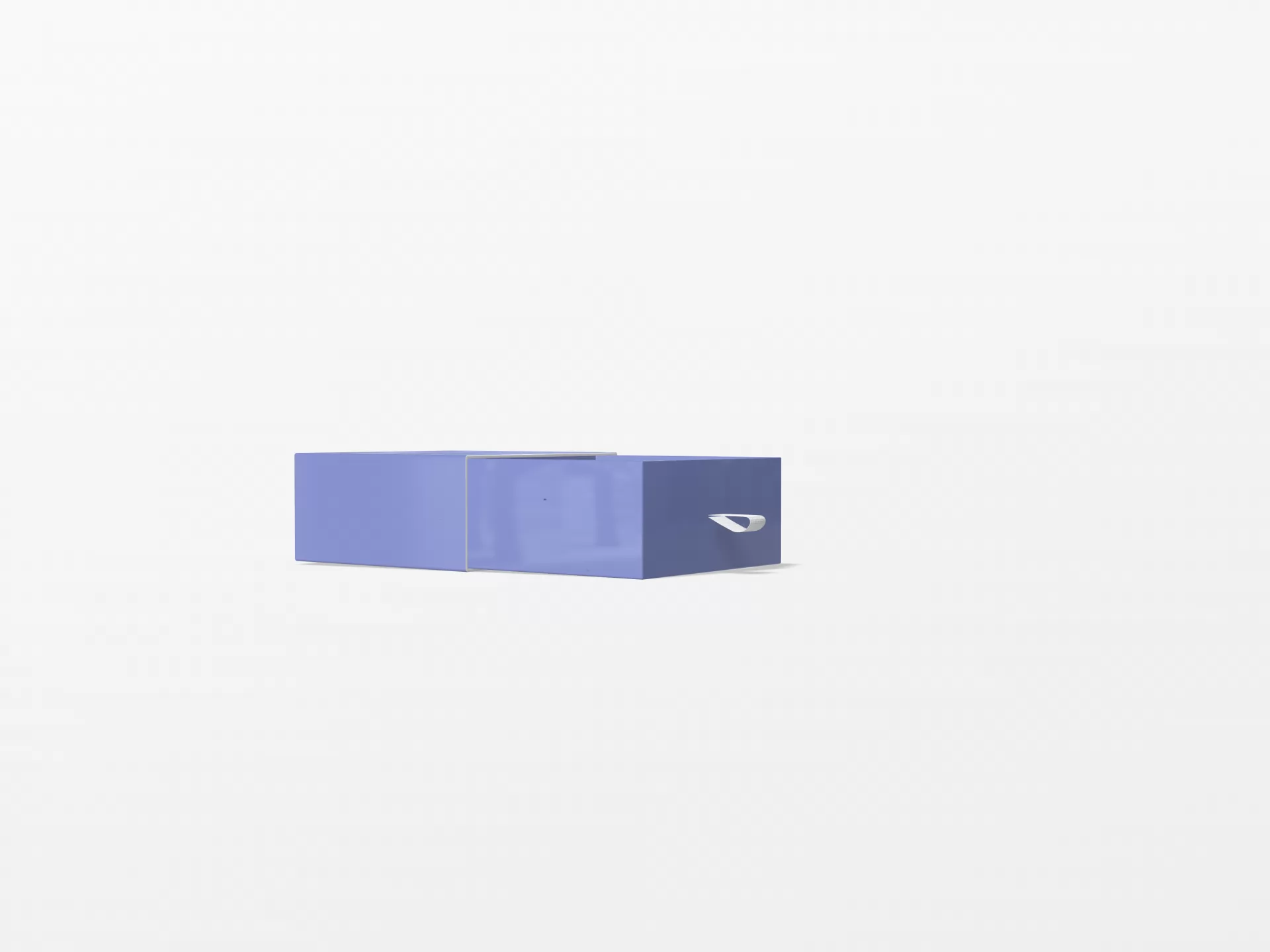
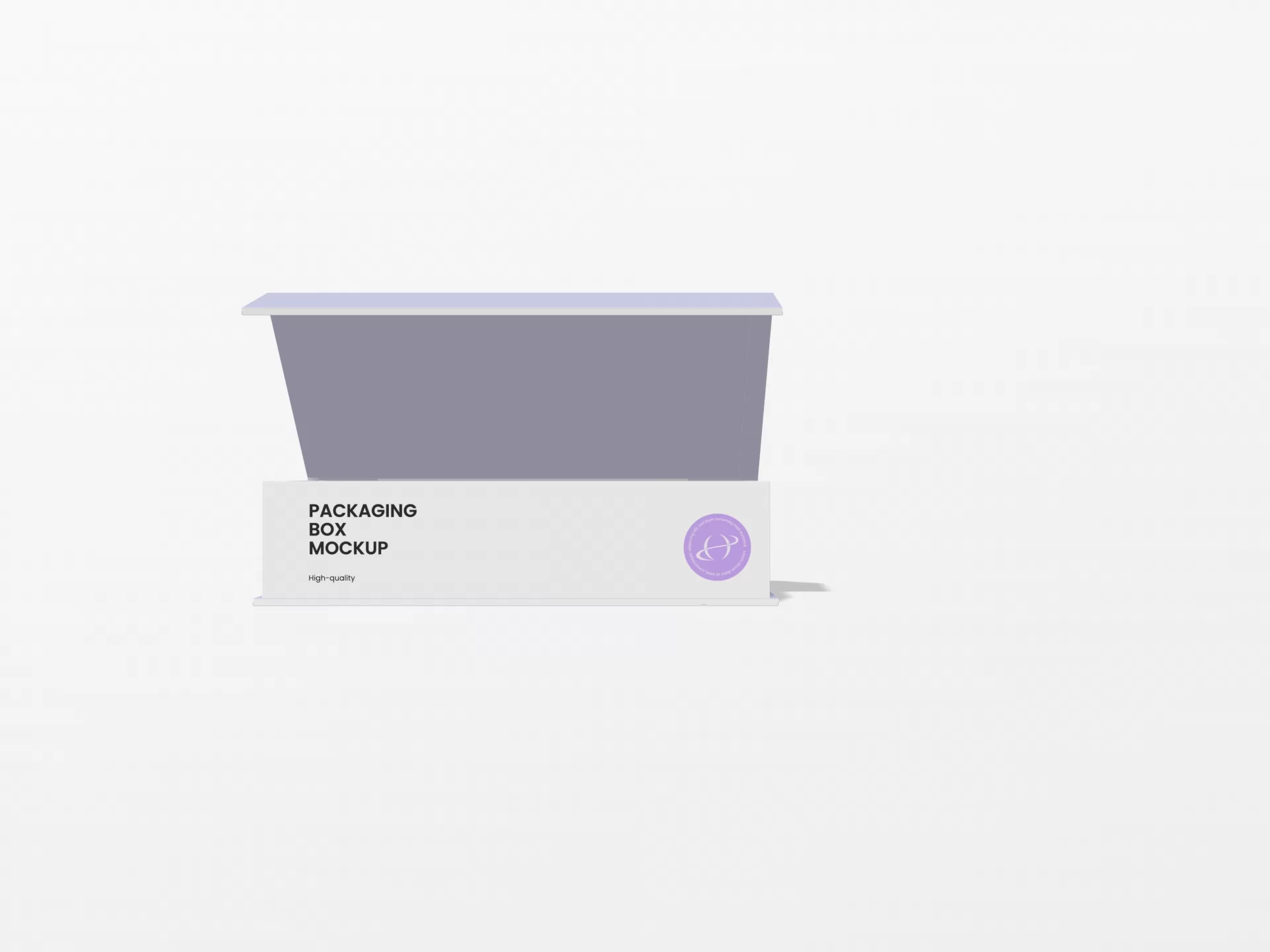
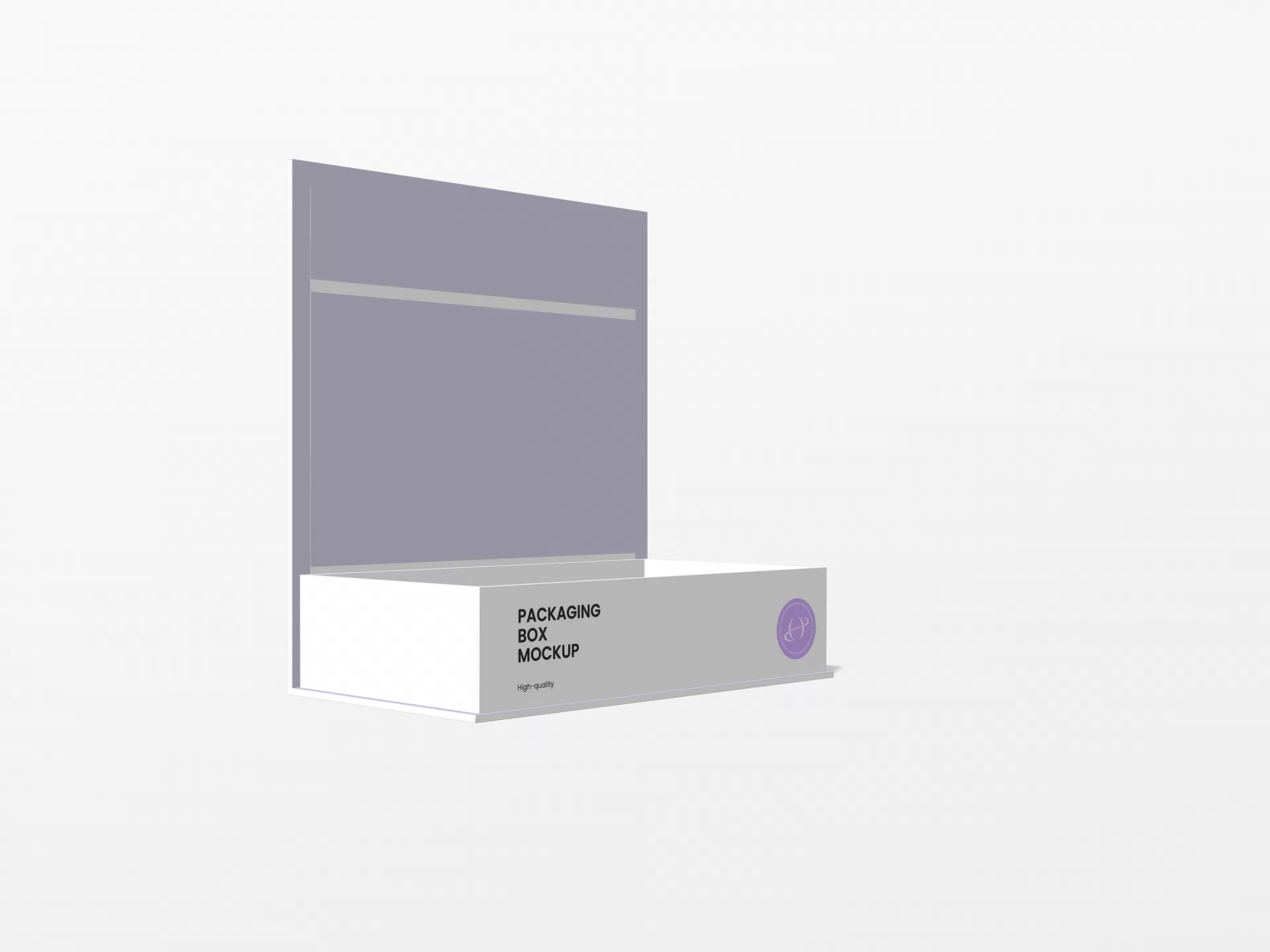
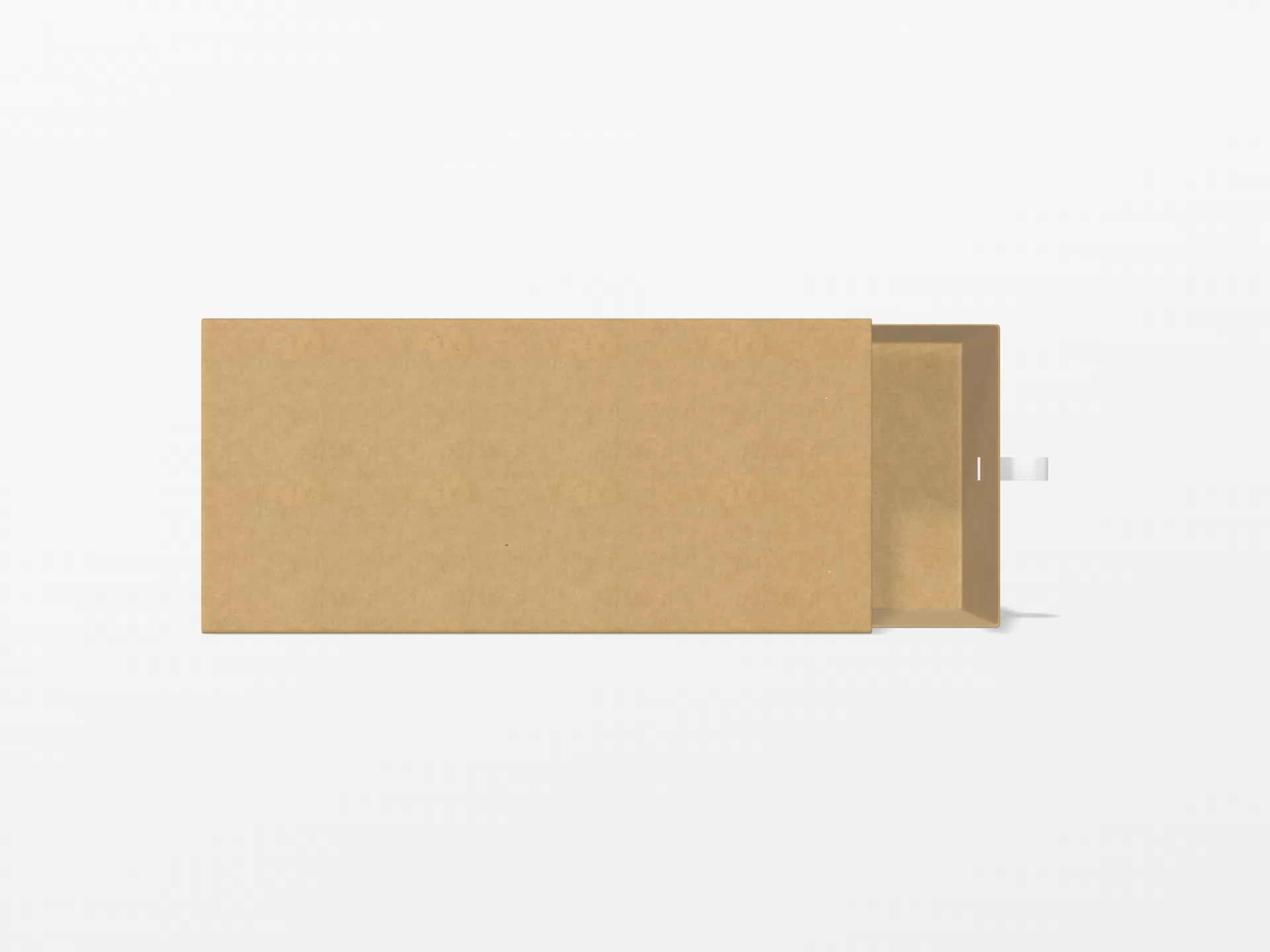
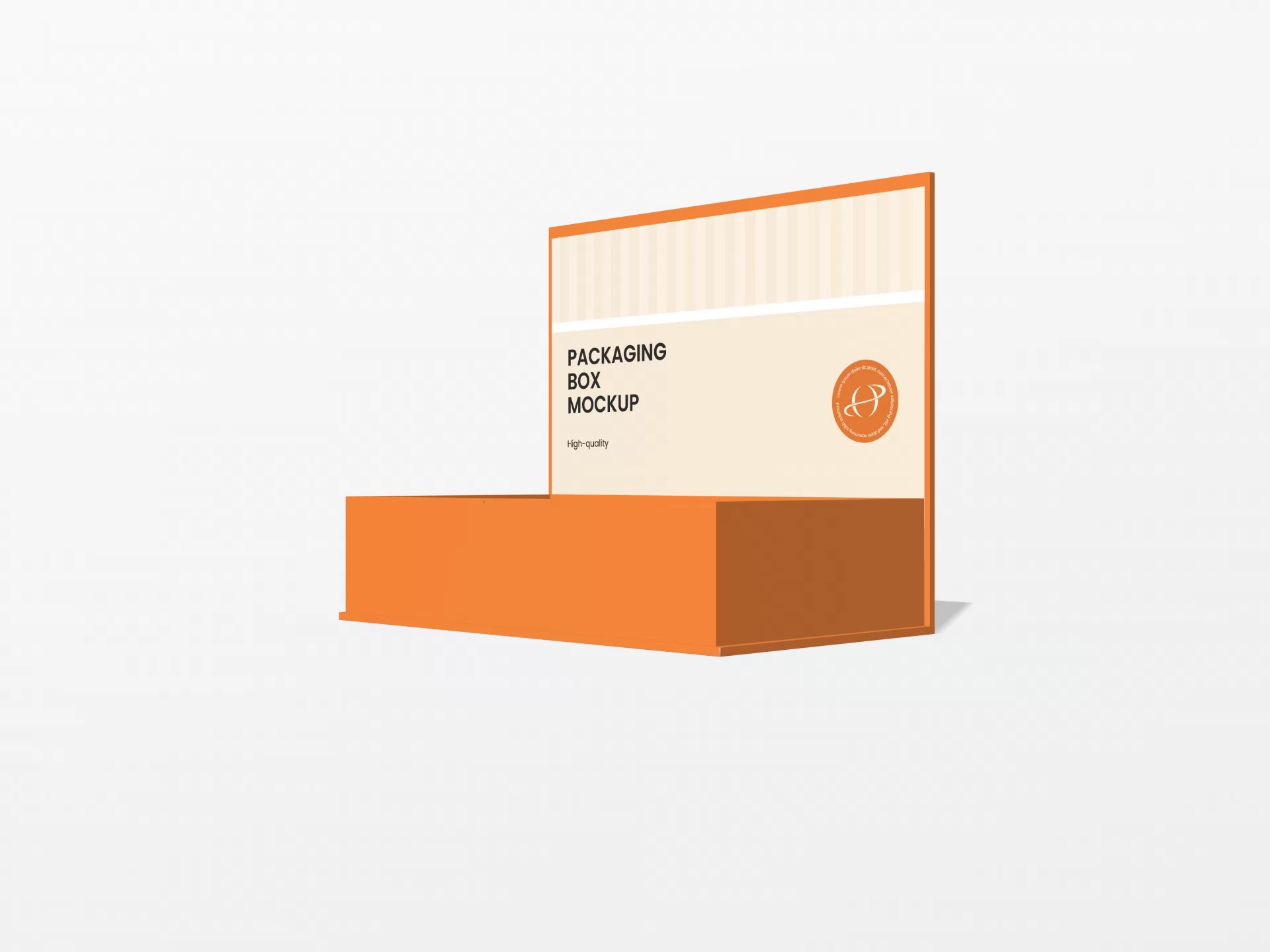
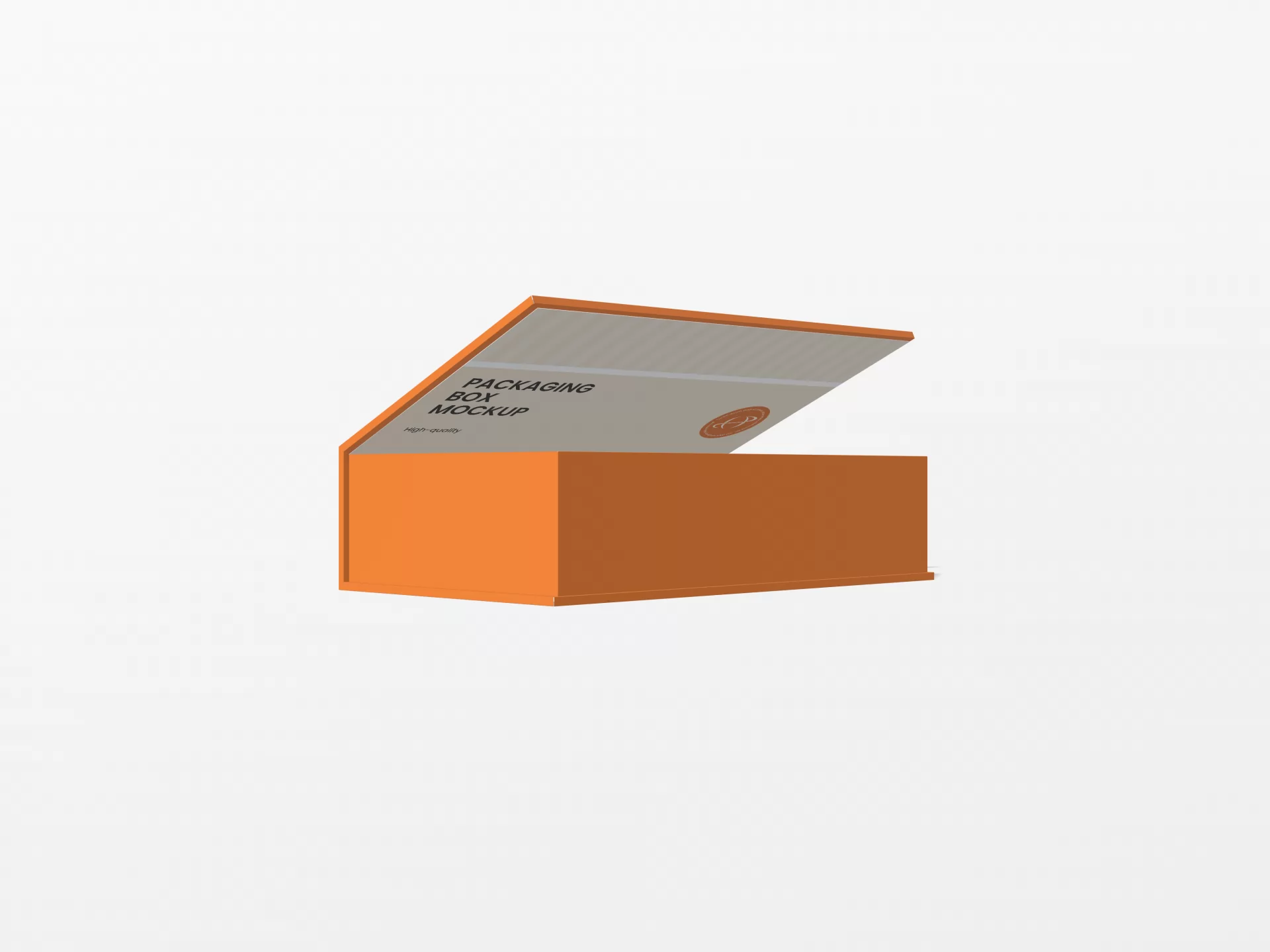
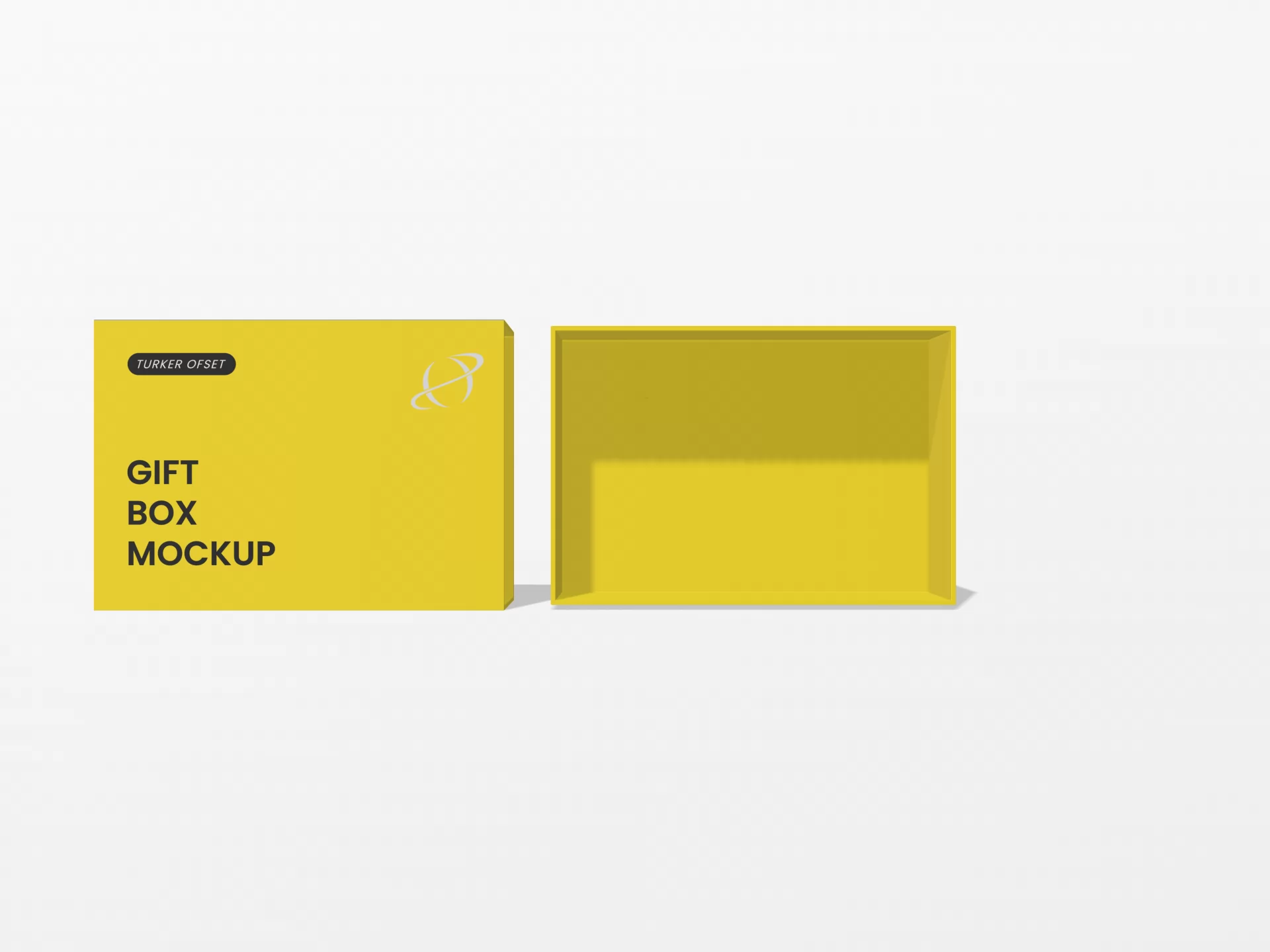
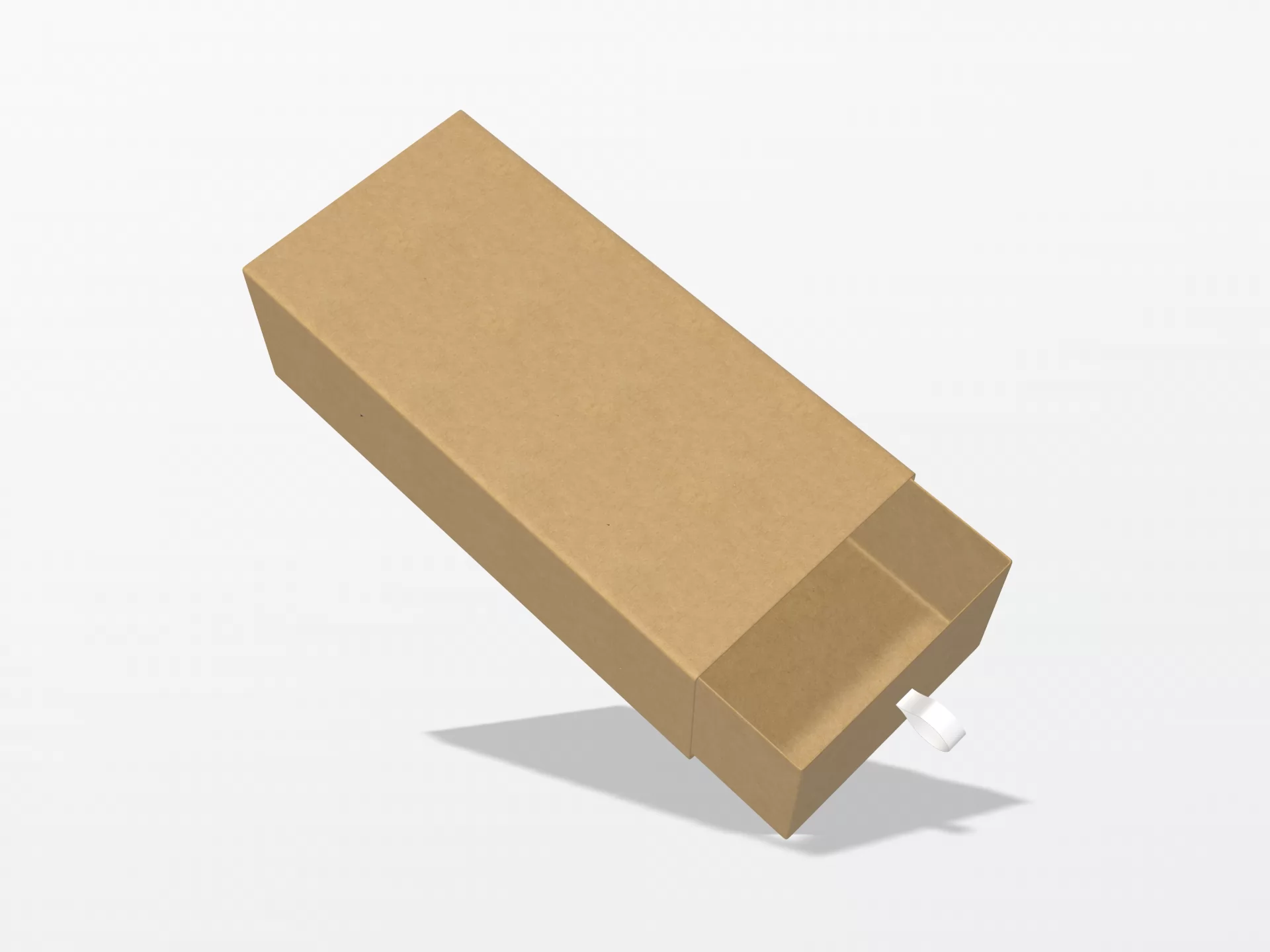
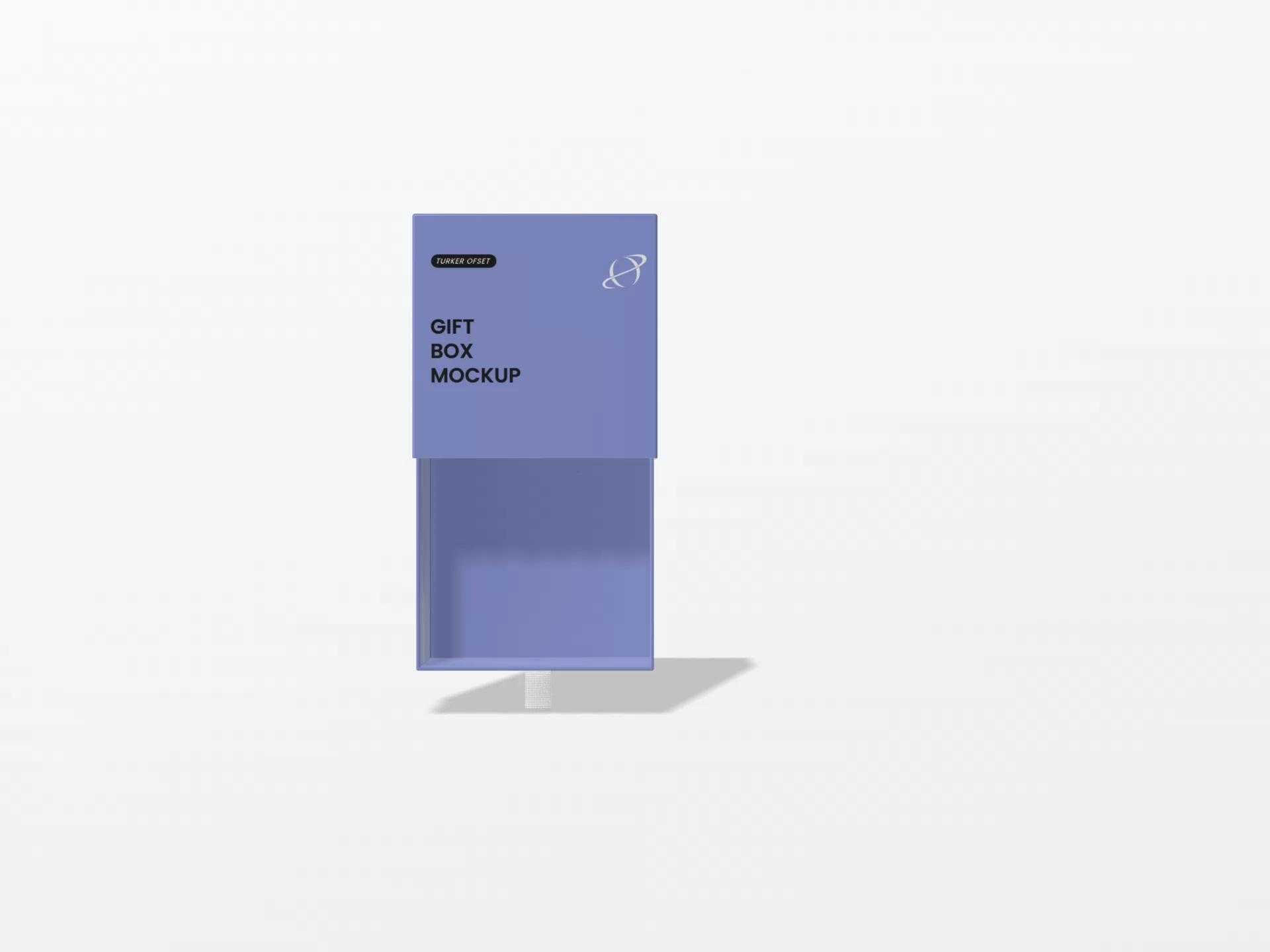
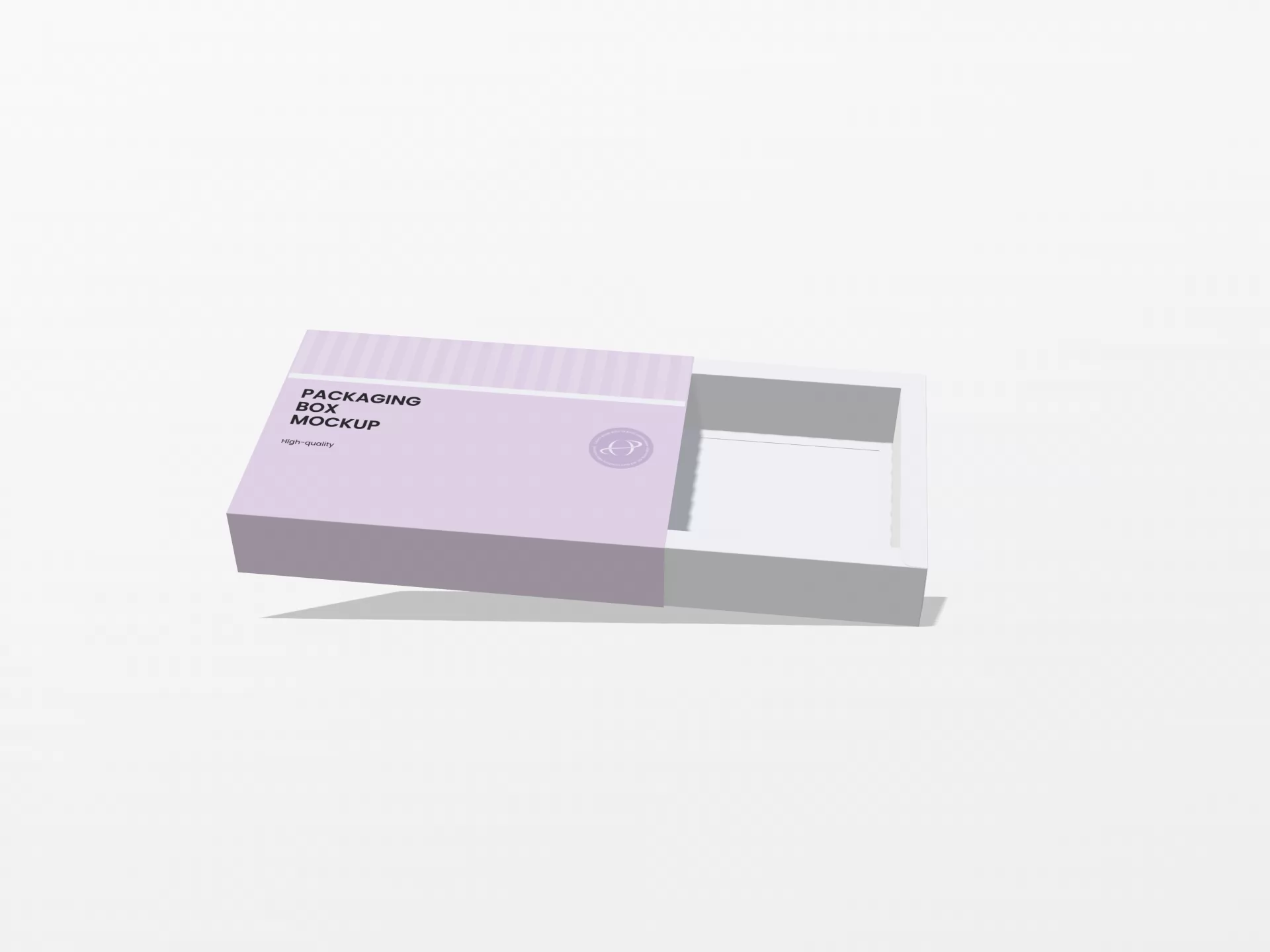
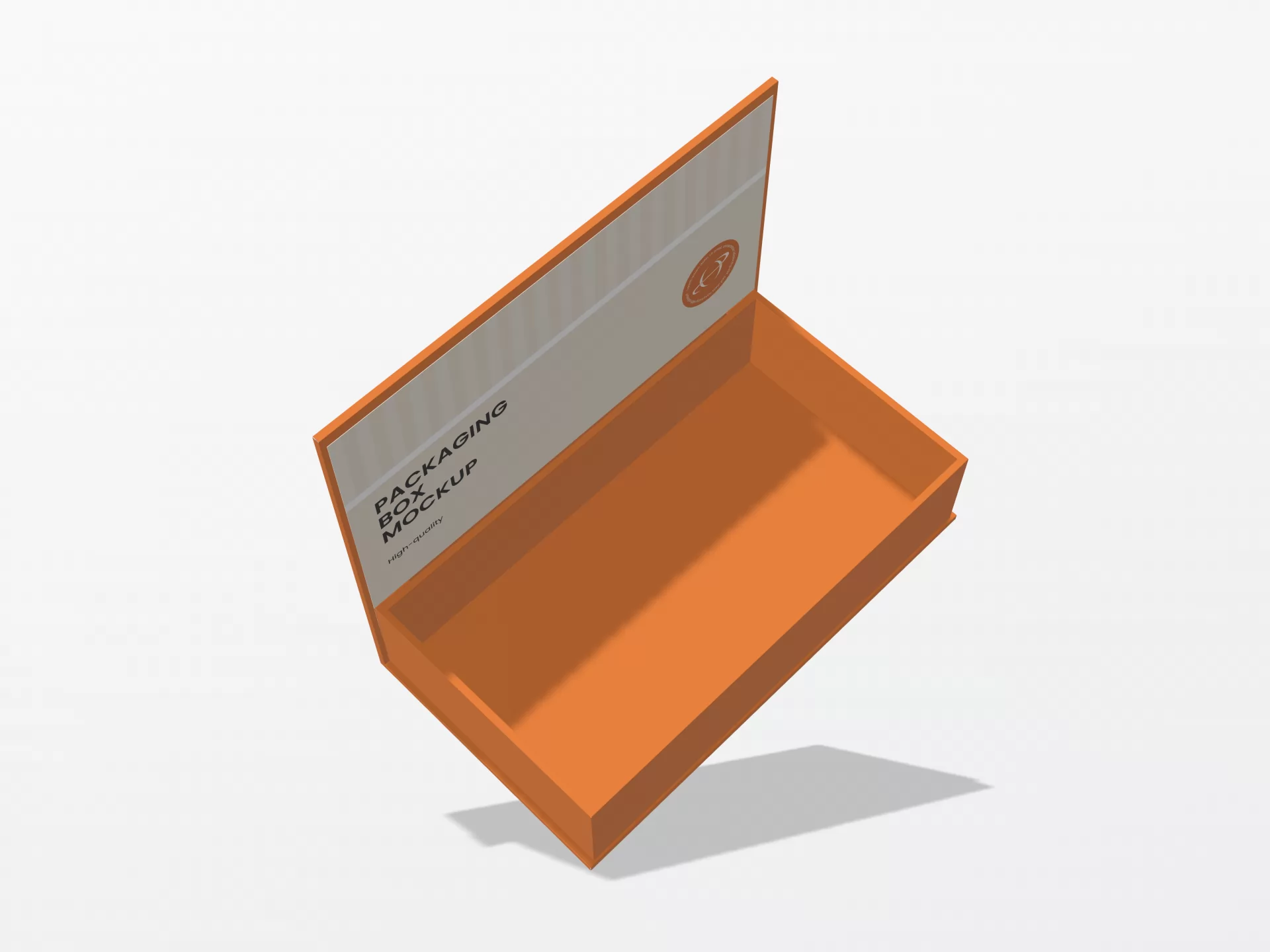
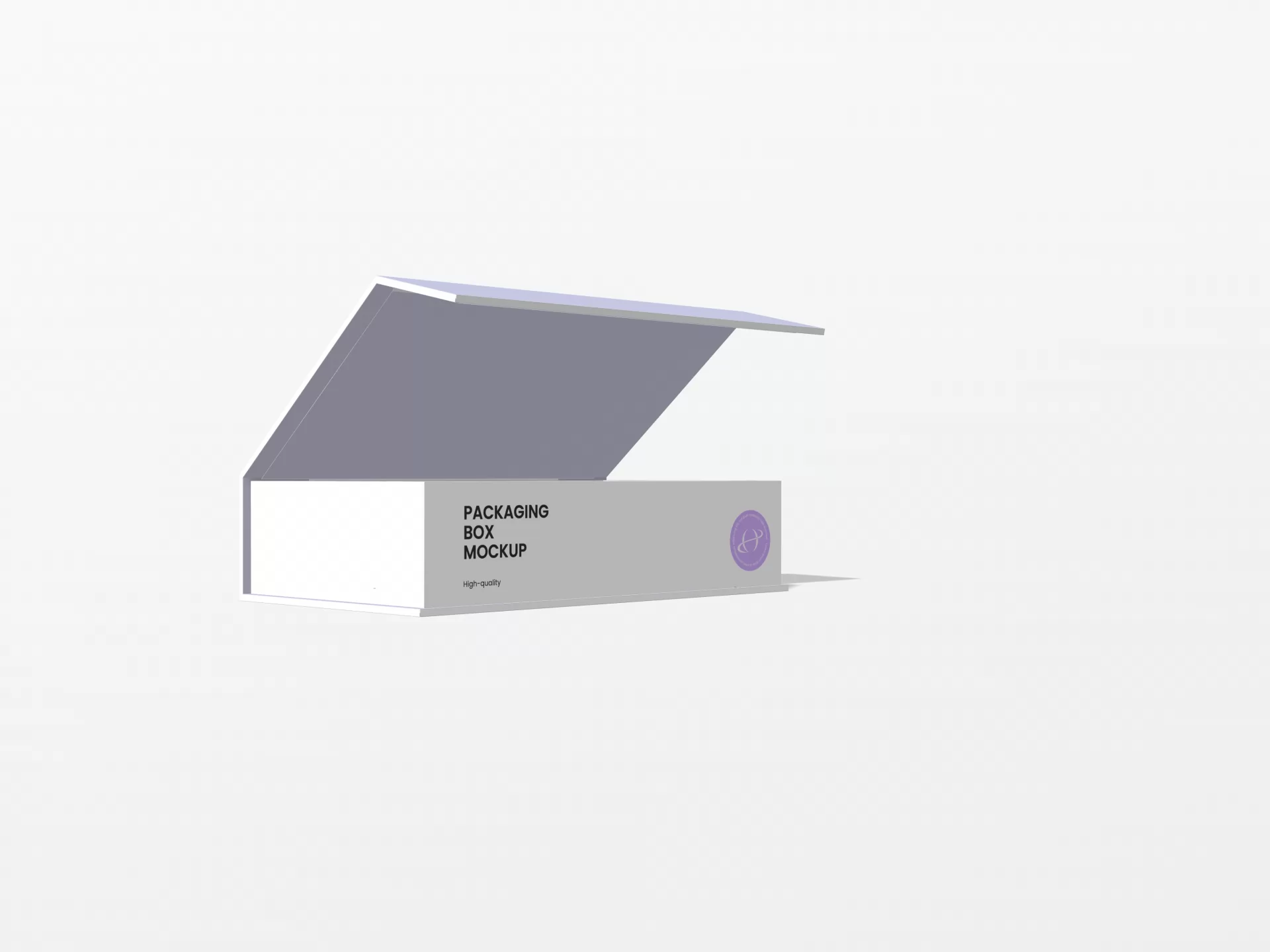
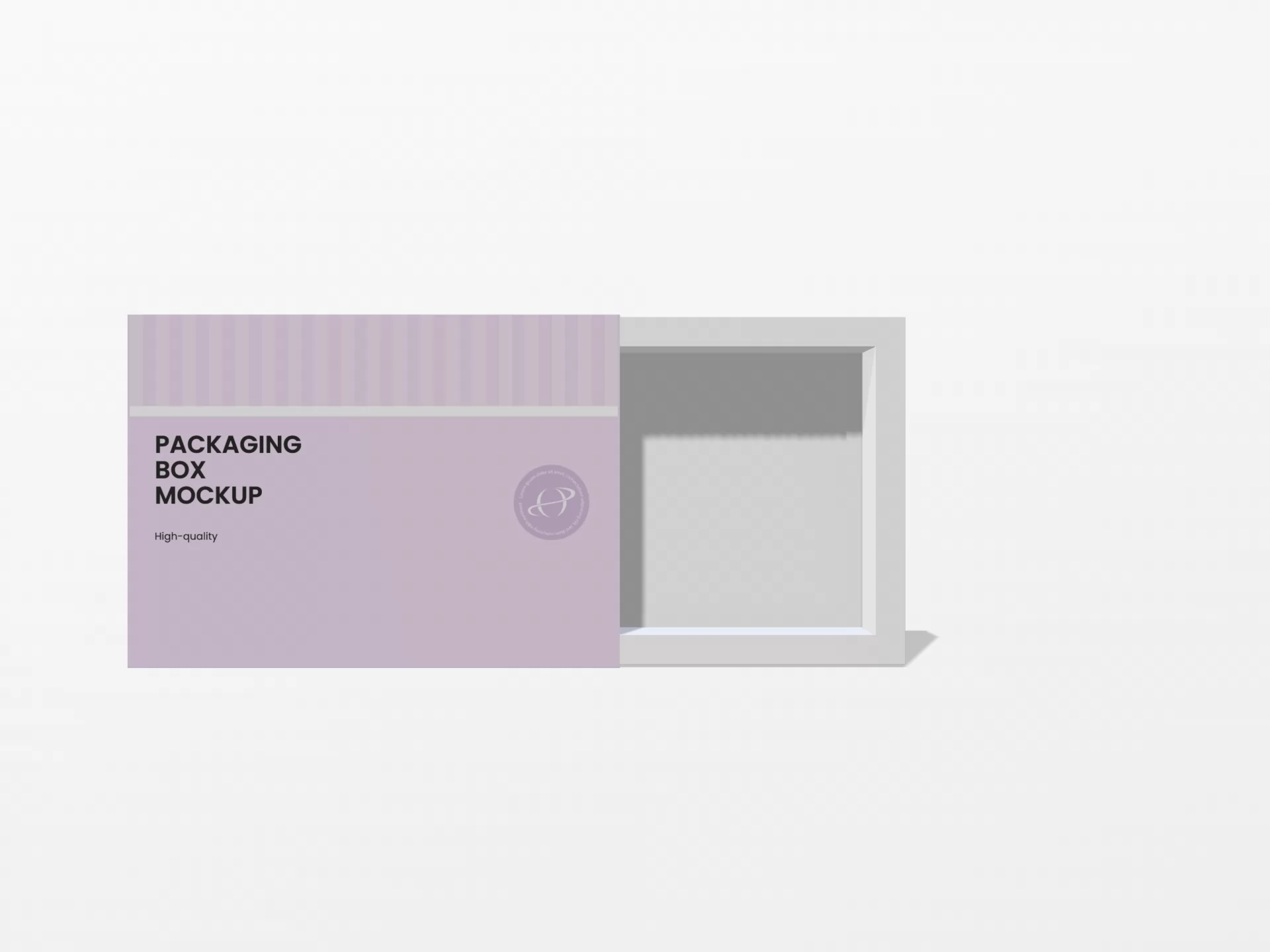
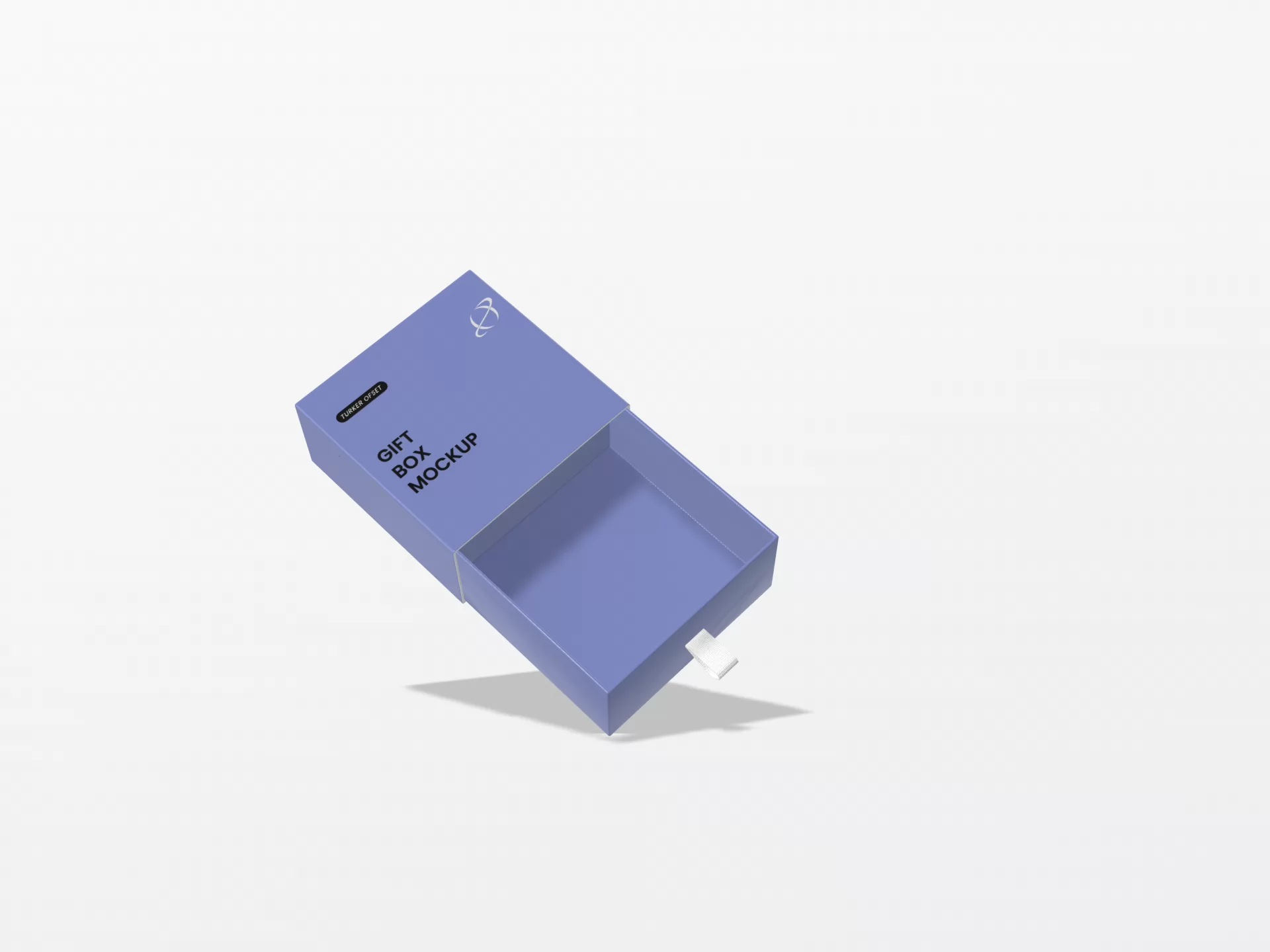
Tuck-In and Folding Cartons: Smart, Efficient and Brand-Enhancing Packaging Solutions
Tuck-in and folding cartons are among the most practical, efficient and versatile packaging solutions in the modern carton packaging industry. They combine product protection, easy handling, cost efficiency and strong visual brand presentation in one intelligent structure.
Thanks to their folding, locking and tuck-in mechanisms, these boxes provide secure product protection while supporting a clean, professional and premium appearance on the shelf.
They are widely used in food, cosmetics, textiles, gift products, e-commerce, promotional packaging, accessories, electronic accessories and premium consumer goods.
What Is a Tuck-In Box?
A tuck-in box is a carton packaging structure where flaps, lids or side panels are inserted into the body of the box to create a secure closure. In many cases, this structure does not require additional adhesive.
The tuck-in mechanism allows easy opening and closing while maintaining a neat and stable box form. With precise die-cutting and creasing, the box locks into itself and provides a user-friendly packaging experience.
What Is a Folding Carton?
A folding carton is produced in flat form and folded into its final shape when needed. Its biggest advantage is space-saving storage and cost-efficient transportation.
Because folding cartons can be shipped flat, they significantly reduce logistics and warehousing costs. Depending on the product requirements, they can be designed with glued, locked, tuck-in, windowed, hanging, separator-based or custom inner-support structures.
Key Advantages
Tuck-in and folding cartons are successful because they combine functionality with strong brand communication. A well-designed carton does not only carry the product; it protects, presents and helps sell it.
Main advantages include:
• Flat delivery for reduced logistics costs
• Space-saving storage
• Fast and easy assembly
• Adhesive-free or low-adhesive construction options
• Environmentally friendly and recyclable packaging possibilities
• Premium finishing options such as matte or glossy lamination, UV varnish, foil stamping, embossing and window applications
• Strong shelf presentation
• High adaptability to product shape and brand identity
• FSC-certified board options for sustainable packaging strategies
Application Areas
Tuck-in and folding cartons are suitable for a wide range of industries and product categories:
• Food packaging
• Chocolate, confectionery and premium food products
• Cosmetic and perfume boxes
• Soap, cream and personal care packaging
• Textile and accessory boxes
• Gift packaging
• E-commerce shipping boxes
• Electronic accessory packaging
• Promotional and campaign packaging
• Display and carton stand solutions
Structural Design Expertise
The success of a tuck-in or folding carton does not depend only on print quality. The real difference lies in correct material selection, suitable board weight, precise die-cutting, accurate creasing and a functional locking system.
When designing a professional carton, the following criteria must be considered:
• Product weight
• Product volume and sensitivity
• Shelf impact and visibility
• Transport and shipping conditions
• Frequency of opening and closing
• Manual or machine filling process
• Printed surfaces for brand communication
• Sustainability and recyclability expectations
A poorly designed carton may look simple at first but can create problems during production, filling, transport or customer use. A well-designed carton works silently, efficiently and reliably — and that is exactly where its value begins.
Material and Printing Options
Different material and finishing solutions can be applied to tuck-in and folding cartons:
• GC1 / GC2 board
• Solid bleached board
• Kraft board
• FSC-certified board options
• Microflute laminated carton solutions
• Matte or glossy lamination
• UV varnish
• Foil stamping
• Embossing and debossing
• Transparent window applications
• Special die-cutting and perforation
• Inner separators and support systems
With these options, the box becomes more than simple packaging. It becomes a brand ambassador, a quality signal and a silent sales tool.
Sustainability and FSC-Certified Production
Today, packaging is no longer only about protecting a product. It also reflects a brand’s attitude toward quality, responsibility and environmental awareness.
By using FSC-certified board, recyclable materials and low-adhesive structures, tuck-in and folding cartons offer a strong sustainable packaging solution.
Especially in the European market, sustainability is no longer a secondary argument. It is becoming a core requirement in purchasing decisions, brand positioning and long-term supplier selection.
Conclusion
Tuck-in and folding cartons are economical, flexible, sustainable and visually powerful packaging solutions. With precise engineering, high-quality printing and intelligent structural design, they do not only protect the product — they increase its perceived value.
A good box does not need to speak loudly. It simply presents the product correctly, protects it professionally and helps the brand sell with confidence.
Tuck-in and folding cartons are among the most practical, efficient and versatile packaging solutions in the modern carton packaging industry. They combine product protection, easy handling, cost efficiency and strong visual brand presentation in one intelligent structure.
Thanks to their folding, locking and tuck-in mechanisms, these boxes provide secure product protection while supporting a clean, professional and premium appearance on the shelf.
They are widely used in food, cosmetics, textiles, gift products, e-commerce, promotional packaging, accessories, electronic accessories and premium consumer goods.
What Is a Tuck-In Box?
A tuck-in box is a carton packaging structure where flaps, lids or side panels are inserted into the body of the box to create a secure closure. In many cases, this structure does not require additional adhesive.
The tuck-in mechanism allows easy opening and closing while maintaining a neat and stable box form. With precise die-cutting and creasing, the box locks into itself and provides a user-friendly packaging experience.
What Is a Folding Carton?
A folding carton is produced in flat form and folded into its final shape when needed. Its biggest advantage is space-saving storage and cost-efficient transportation.
Because folding cartons can be shipped flat, they significantly reduce logistics and warehousing costs. Depending on the product requirements, they can be designed with glued, locked, tuck-in, windowed, hanging, separator-based or custom inner-support structures.
Key Advantages
Tuck-in and folding cartons are successful because they combine functionality with strong brand communication. A well-designed carton does not only carry the product; it protects, presents and helps sell it.
Main advantages include:
• Flat delivery for reduced logistics costs
• Space-saving storage
• Fast and easy assembly
• Adhesive-free or low-adhesive construction options
• Environmentally friendly and recyclable packaging possibilities
• Premium finishing options such as matte or glossy lamination, UV varnish, foil stamping, embossing and window applications
• Strong shelf presentation
• High adaptability to product shape and brand identity
• FSC-certified board options for sustainable packaging strategies
Application Areas
Tuck-in and folding cartons are suitable for a wide range of industries and product categories:
• Food packaging
• Chocolate, confectionery and premium food products
• Cosmetic and perfume boxes
• Soap, cream and personal care packaging
• Textile and accessory boxes
• Gift packaging
• E-commerce shipping boxes
• Electronic accessory packaging
• Promotional and campaign packaging
• Display and carton stand solutions
Structural Design Expertise
The success of a tuck-in or folding carton does not depend only on print quality. The real difference lies in correct material selection, suitable board weight, precise die-cutting, accurate creasing and a functional locking system.
When designing a professional carton, the following criteria must be considered:
• Product weight
• Product volume and sensitivity
• Shelf impact and visibility
• Transport and shipping conditions
• Frequency of opening and closing
• Manual or machine filling process
• Printed surfaces for brand communication
• Sustainability and recyclability expectations
A poorly designed carton may look simple at first but can create problems during production, filling, transport or customer use. A well-designed carton works silently, efficiently and reliably — and that is exactly where its value begins.
Material and Printing Options
Different material and finishing solutions can be applied to tuck-in and folding cartons:
• GC1 / GC2 board
• Solid bleached board
• Kraft board
• FSC-certified board options
• Microflute laminated carton solutions
• Matte or glossy lamination
• UV varnish
• Foil stamping
• Embossing and debossing
• Transparent window applications
• Special die-cutting and perforation
• Inner separators and support systems
With these options, the box becomes more than simple packaging. It becomes a brand ambassador, a quality signal and a silent sales tool.
Sustainability and FSC-Certified Production
Today, packaging is no longer only about protecting a product. It also reflects a brand’s attitude toward quality, responsibility and environmental awareness.
By using FSC-certified board, recyclable materials and low-adhesive structures, tuck-in and folding cartons offer a strong sustainable packaging solution.
Especially in the European market, sustainability is no longer a secondary argument. It is becoming a core requirement in purchasing decisions, brand positioning and long-term supplier selection.
Conclusion
Tuck-in and folding cartons are economical, flexible, sustainable and visually powerful packaging solutions. With precise engineering, high-quality printing and intelligent structural design, they do not only protect the product — they increase its perceived value.
A good box does not need to speak loudly. It simply presents the product correctly, protects it professionally and helps the brand sell with confidence.