One-Piece (Monoblock) Boxes
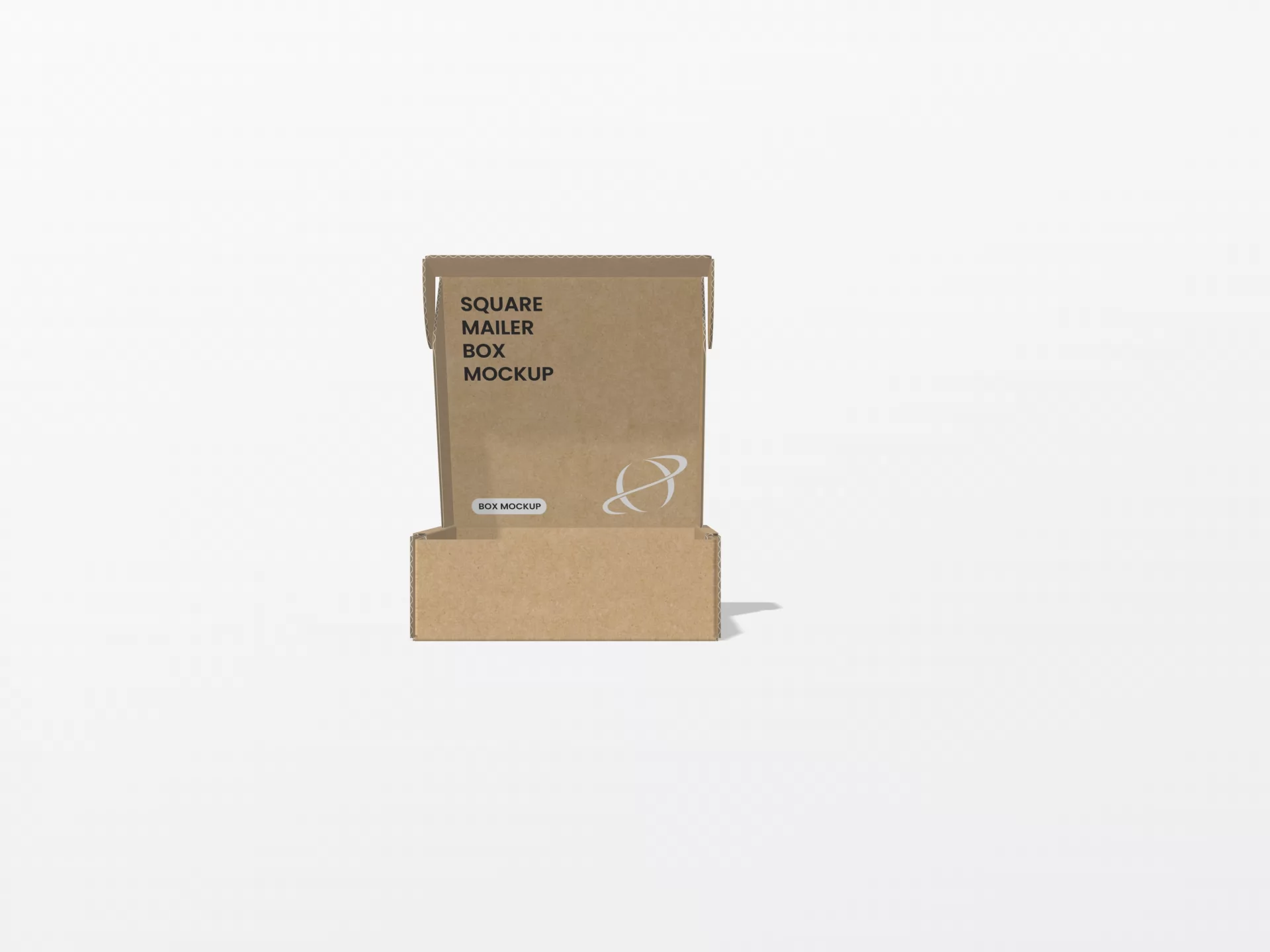
One-Piece Carton Boxes: Smart, Economical and Functional Packaging Solutions from a Single Structure
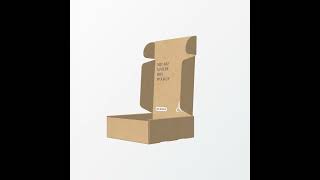
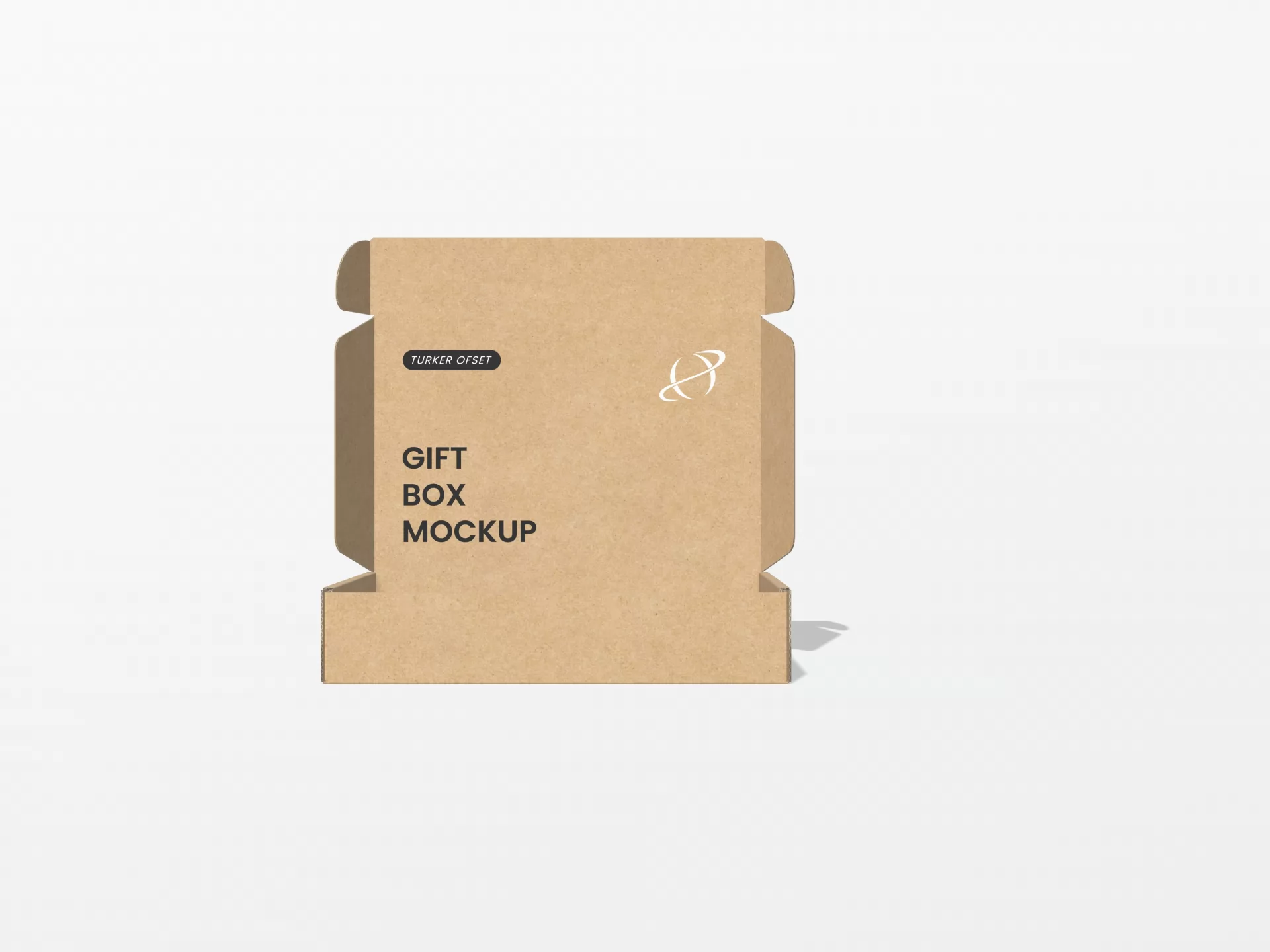
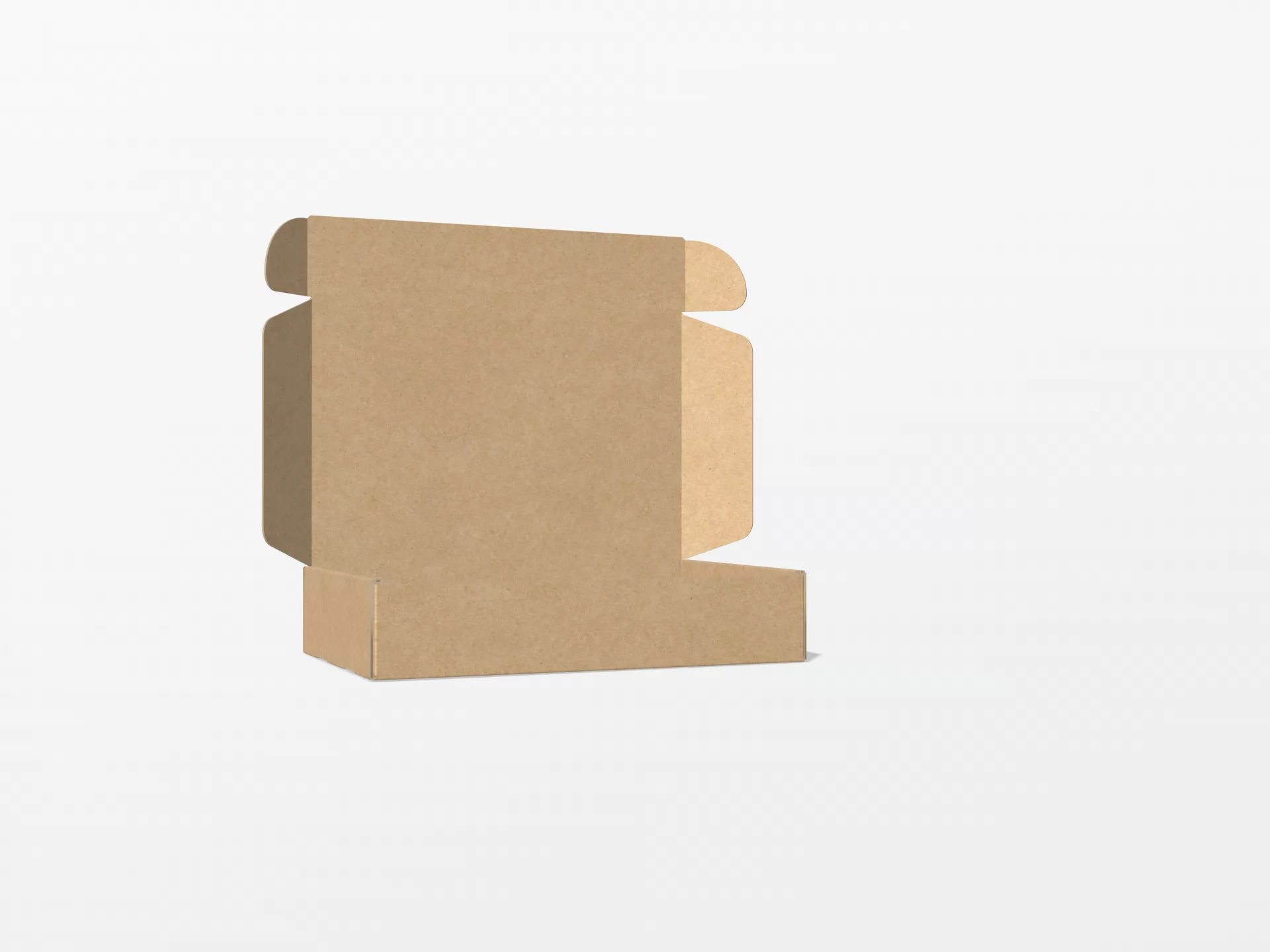
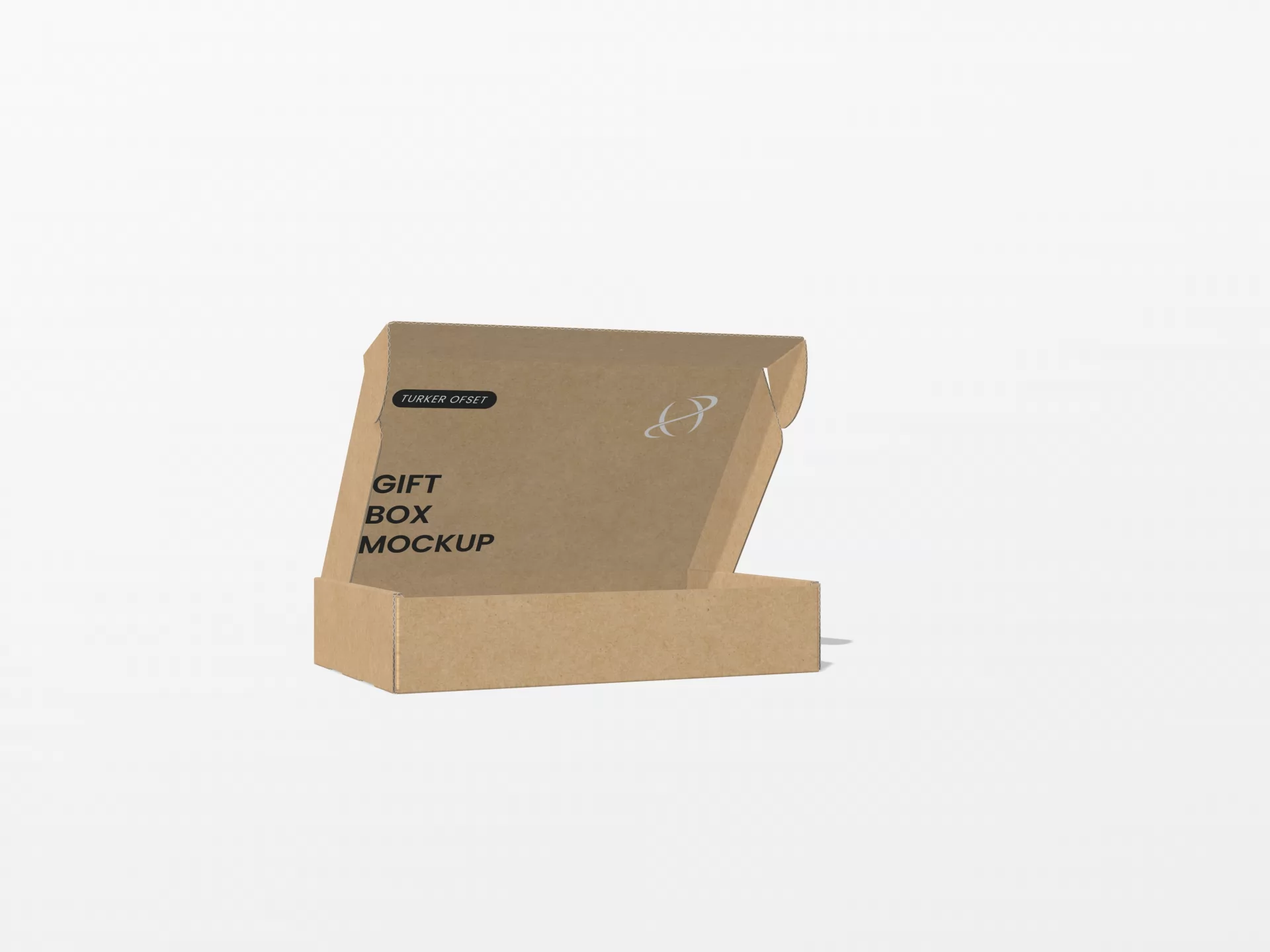
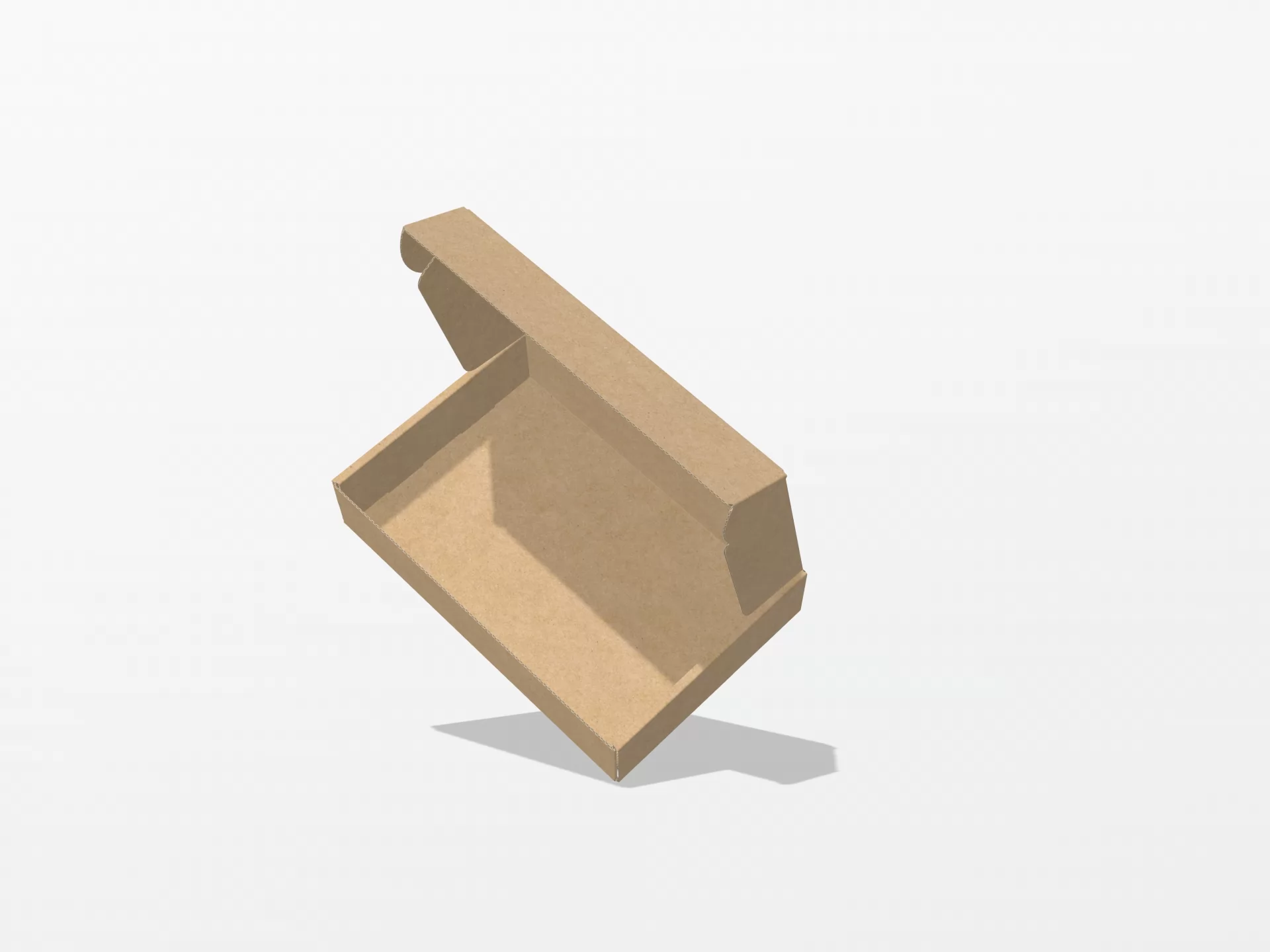
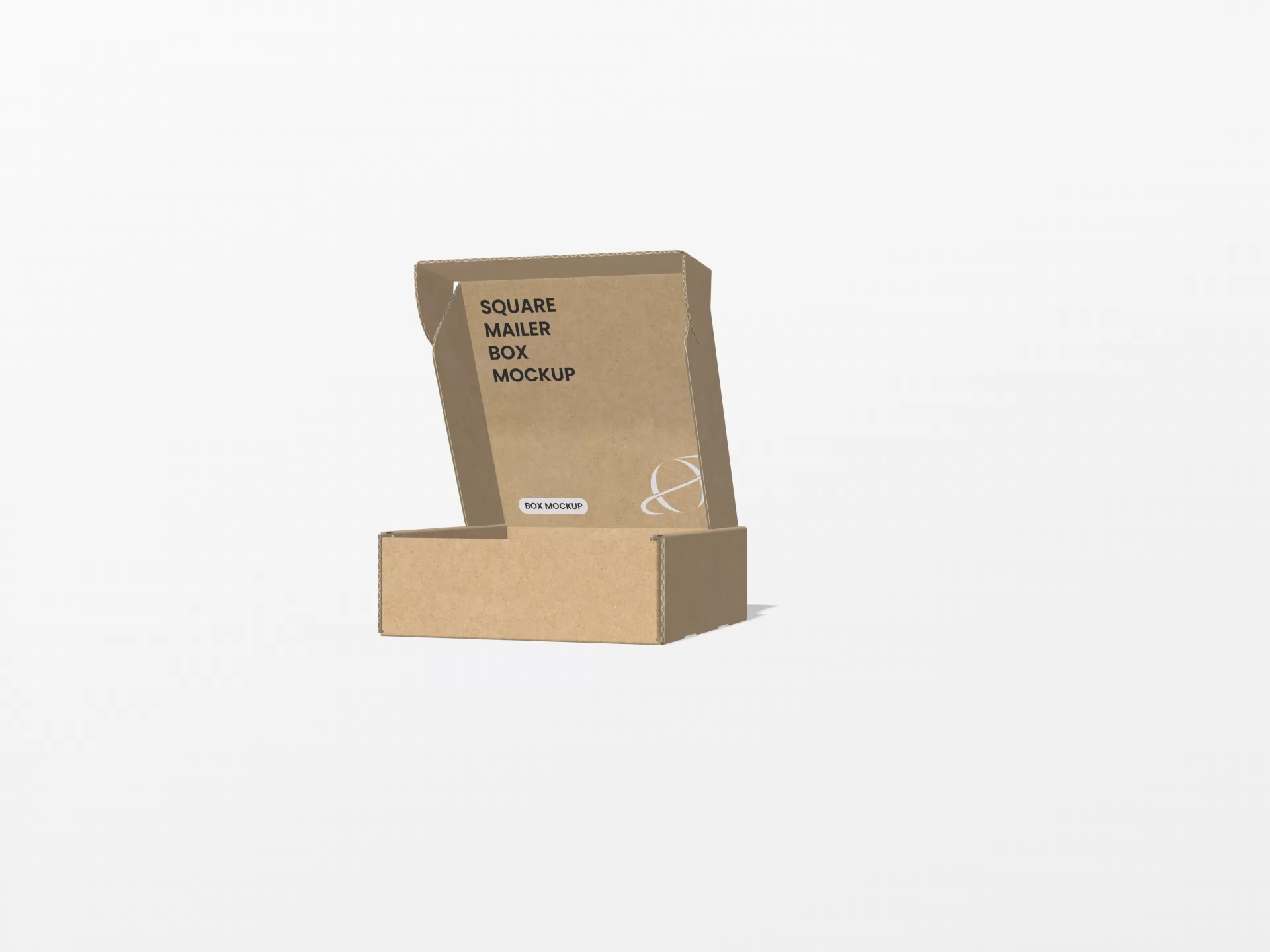
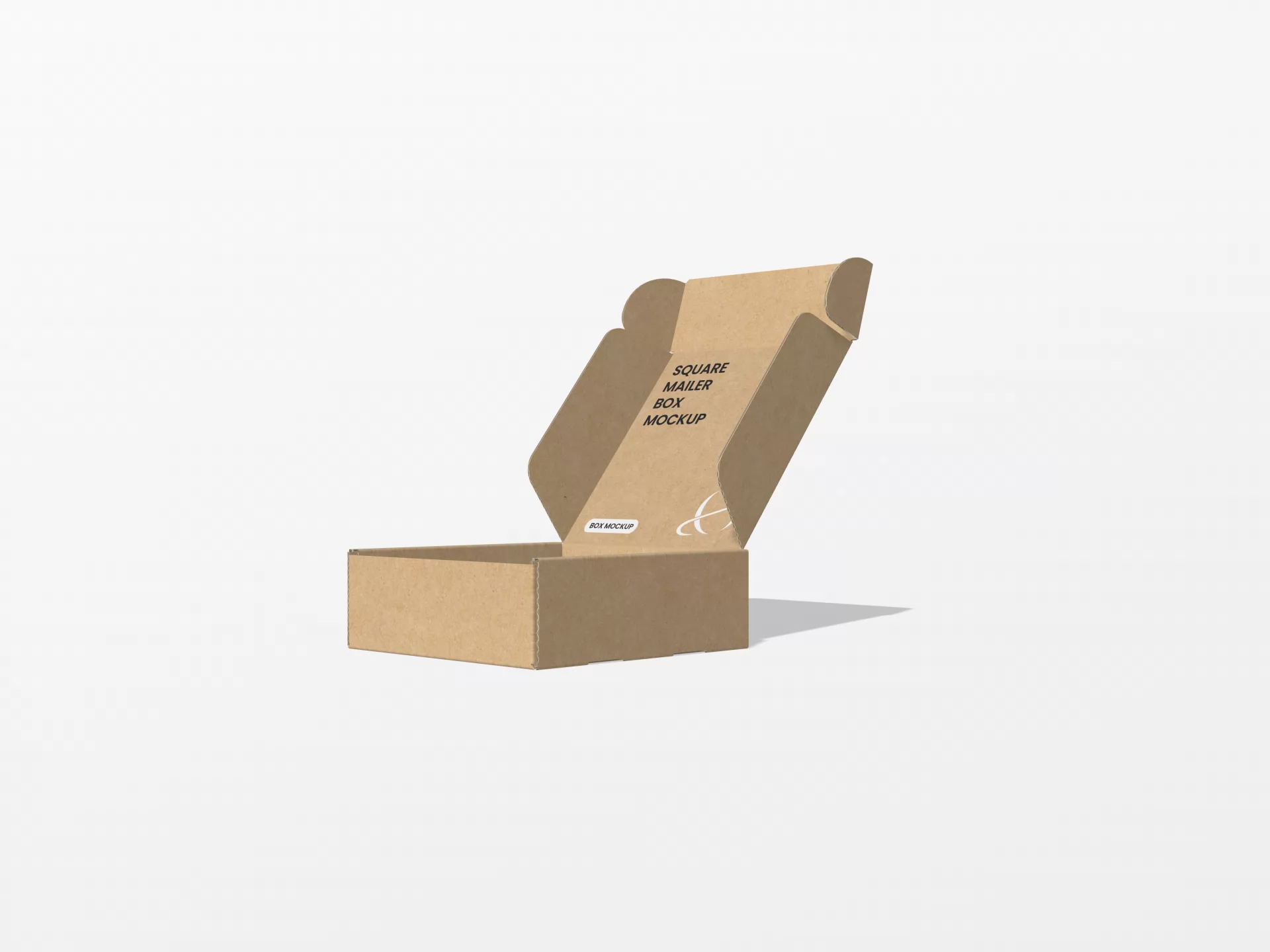
One-piece carton boxes are practical packaging solutions designed from a single carton sheet. With precise die-cutting and creasing lines, they can be easily folded into their final box shape. The key feature of this packaging type is that the body, lid, bottom and side flaps are integrated into one single carton structure. This makes one-piece boxes highly efficient in both production and use.
They reduce the need for additional parts, simplify assembly, save storage space and lower logistics costs. When designed correctly, they become an economical, functional and visually attractive packaging solution. One-piece carton boxes are especially suitable for food, cosmetics, textiles, gift products, e-commerce, promotional items, accessories, stationery, toys and small consumer goods.
What Is a One-Piece Carton Box?
A one-piece carton box is a packaging structure made from a single die-cut carton blank. It does not require a separate lid, separate bottom or additional body component. The box is produced and delivered flat. At the point of use, it is folded, tucked or locked into its three-dimensional shape. The lid, side flaps, bottom structure and locking areas are all part of the same design.
One-piece boxes can be developed with tuck-in closures, lock-bottom structures, windows, hanging holes, handles, separators or custom die-cut shapes.
The Basic Principle of One-Piece Boxes
The purpose of a one-piece box is to achieve maximum function with minimum structural complexity. The box should be easy to assemble, protect the product reliably and present the brand professionally.
The concept is based on three main principles:
Key Advantages
One-piece boxes combine production efficiency, practical handling and strong brand presentation.
Main advantages include:
Application Areas
One-piece carton boxes can be used for a wide variety of products, especially when fast packing, organized presentation and cost-efficient production are required.
Typical application areas include:
Types of One-Piece Carton Boxes
1. One-Piece Boxes with Tuck-In Closure
In this structure, the lid is tucked into the body of the box. It provides a clean and practical closure, often without the need for additional adhesive.
Advantages
2. One-Piece Boxes with Lock-Bottom Structure
Lock-bottom one-piece boxes include bottom flaps that interlock to create a stronger base. They are suitable for products that require more bottom security.
Advantages
3. One-Piece Boxes with Window
Window one-piece boxes include a die-cut opening that allows part of the product to be visible. The window may remain open or be covered with transparent film.
Advantages
4. One-Piece Hanging Boxes
These boxes include a hanging hole or euro slot, allowing products to be displayed on hooks or retail wall systems.
Advantages
5. One-Piece Boxes with Handle
One-piece boxes with integrated handles provide easy carrying and are ideal for gift sets, food sets, promotional packages and sample kits.
Advantages
6. One-Piece Display Boxes
Some one-piece boxes can be designed to transform into a display unit when opened. This combines transportation and point-of-sale presentation in one structure.
Advantages
Technical Design Criteria
Good one-piece box design is not only about appearance. Die-cutting, creasing, closure system, bottom strength and material selection must be precisely coordinated. Even a small measurement error can affect the box function.
Important criteria include:
Material Options
One-piece boxes can be produced from different carton materials depending on the product, weight and target market. For lightweight products, thinner board may be sufficient. For heavier or more sensitive products, higher board weight or microflute laminated structures may be more suitable.
Possible materials include:
Printing and Finishing Options
One-piece boxes can be enhanced with simple, natural or premium visual applications depending on brand identity. The goal is to choose the visual language that best fits the product and the brand.
Possible applications include:
Sustainability and FSC-Certified Production
One-piece boxes fit very well into sustainable packaging concepts. Their single-piece construction means fewer components, less assembly, less waste and a more controlled production process. FSC-certified board materials support responsible sourcing, traceability and trust throughout the supply chain.
Low-adhesive or adhesive-free one-piece designs also improve recyclability and respond strongly to modern European market expectations.
Conclusion
One-piece carton boxes are modern, economical and versatile packaging solutions. They combine simple construction, fast assembly, reliable product protection, strong brand presentation and sustainable material options.
A well-developed one-piece box does not only protect the product. It organizes it, presents it and communicates a professional sense of quality from the first moment of contact. In short: the one-piece box is where simplicity and packaging engineering meet intelligently.
One-piece carton boxes are practical packaging solutions designed from a single carton sheet. With precise die-cutting and creasing lines, they can be easily folded into their final box shape. The key feature of this packaging type is that the body, lid, bottom and side flaps are integrated into one single carton structure. This makes one-piece boxes highly efficient in both production and use.
They reduce the need for additional parts, simplify assembly, save storage space and lower logistics costs. When designed correctly, they become an economical, functional and visually attractive packaging solution. One-piece carton boxes are especially suitable for food, cosmetics, textiles, gift products, e-commerce, promotional items, accessories, stationery, toys and small consumer goods.
What Is a One-Piece Carton Box?
A one-piece carton box is a packaging structure made from a single die-cut carton blank. It does not require a separate lid, separate bottom or additional body component. The box is produced and delivered flat. At the point of use, it is folded, tucked or locked into its three-dimensional shape. The lid, side flaps, bottom structure and locking areas are all part of the same design.
One-piece boxes can be developed with tuck-in closures, lock-bottom structures, windows, hanging holes, handles, separators or custom die-cut shapes.
The Basic Principle of One-Piece Boxes
The purpose of a one-piece box is to achieve maximum function with minimum structural complexity. The box should be easy to assemble, protect the product reliably and present the brand professionally.
The concept is based on three main principles:
- 1. Single-piece structure: Body, lid and bottom are created from one carton blank.
- 2. Easy assembly: Creasing lines allow fast and accurate folding.
- 3. Cost-efficient production: Fewer parts mean less assembly work and better process control.
Key Advantages
One-piece boxes combine production efficiency, practical handling and strong brand presentation.
Main advantages include:
- Produced from a single carton blank
- Easy assembly and fast setup
- Flat delivery and space-saving storage
- Reduced logistics costs
- No separate lid or bottom parts required
- Low-adhesive or adhesive-free structures possible
- Suitable for FSC-certified board options
- Adaptable to many industries and product groups
- Suitable for offset printing, custom die-cutting and brand communication
- Strong impact in shelf presentation and unboxing experience
Application Areas
One-piece carton boxes can be used for a wide variety of products, especially when fast packing, organized presentation and cost-efficient production are required.
Typical application areas include:
- Food packaging
- Chocolate, confectionery and nuts
- Coffee, tea and spices
- Cosmetics and personal care products
- Soaps, creams and natural products
- Textiles and accessories
- Gift packaging
- Promotional packaging
- E-commerce shipping boxes
- Toys and stationery
- Electronic accessories
- Sample and presentation kits
Types of One-Piece Carton Boxes
1. One-Piece Boxes with Tuck-In Closure
In this structure, the lid is tucked into the body of the box. It provides a clean and practical closure, often without the need for additional adhesive.
Advantages
- Easy opening and closing
- User-friendly handling
- Clean and simple appearance
- Cost-efficient production
- Suitable for gift products, food and cosmetics
2. One-Piece Boxes with Lock-Bottom Structure
Lock-bottom one-piece boxes include bottom flaps that interlock to create a stronger base. They are suitable for products that require more bottom security.
Advantages
- Improved bottom strength
- Safer product carrying
- Suitable for manual filling
- Ideal for light and medium-weight products
- Can reduce adhesive use
3. One-Piece Boxes with Window
Window one-piece boxes include a die-cut opening that allows part of the product to be visible. The window may remain open or be covered with transparent film.
Advantages
- Increased product visibility
- More customer trust
- Ideal for food, soap, cosmetics and gift items
- Stronger shelf impact
- Faster purchasing decision
4. One-Piece Hanging Boxes
These boxes include a hanging hole or euro slot, allowing products to be displayed on hooks or retail wall systems.
Advantages
- Suitable for retail displays
- Brings products to eye level
- Keeps small products organized
- Increases brand visibility
- Ideal for accessories and promotional items
5. One-Piece Boxes with Handle
One-piece boxes with integrated handles provide easy carrying and are ideal for gift sets, food sets, promotional packages and sample kits.
Advantages
- Easy to carry
- Premium presentation effect
- Strong impact for gift and promotional products
- Reduces the need for plastic carrier bags
- Increases brand presence
6. One-Piece Display Boxes
Some one-piece boxes can be designed to transform into a display unit when opened. This combines transportation and point-of-sale presentation in one structure.
Advantages
- Combines transport and display function
- Saves time at the point of sale
- Ideal for promotional products
- Improves shelf organization
- Carries the brand message directly to the customer
Technical Design Criteria
Good one-piece box design is not only about appearance. Die-cutting, creasing, closure system, bottom strength and material selection must be precisely coordinated. Even a small measurement error can affect the box function.
Important criteria include:
- Product dimensions
- Product weight
- Product sensitivity
- Product position inside the box
- Bottom strength
- Closure security
- Frequency of opening and closing
- Filling method
- Shipping and palletizing conditions
- Shelf presentation
- Printing areas
- Board weight
- Creasing precision
- Die-cutting quality
- FSC and sustainability requirements
Material Options
One-piece boxes can be produced from different carton materials depending on the product, weight and target market. For lightweight products, thinner board may be sufficient. For heavier or more sensitive products, higher board weight or microflute laminated structures may be more suitable.
Possible materials include:
- Solid bleached board
- GC1 / GC2 board
- Kraft board
- Recycled board
- FSC-certified board
- Microflute board
- Laminated carton
- Food-grade carton options
Printing and Finishing Options
One-piece boxes can be enhanced with simple, natural or premium visual applications depending on brand identity. The goal is to choose the visual language that best fits the product and the brand.
Possible applications include:
- Offset printing
- Single-color kraft printing
- Matte or glossy lamination
- Water-based dispersion varnish
- UV varnish
- Hot foil stamping
- Embossing
- Debossing
- Window cutting
- Custom die-cutting
- Perforation
- Inner printing
- Logo and campaign areas
- QR codes and product information areas
Sustainability and FSC-Certified Production
One-piece boxes fit very well into sustainable packaging concepts. Their single-piece construction means fewer components, less assembly, less waste and a more controlled production process. FSC-certified board materials support responsible sourcing, traceability and trust throughout the supply chain.
Low-adhesive or adhesive-free one-piece designs also improve recyclability and respond strongly to modern European market expectations.
Conclusion
One-piece carton boxes are modern, economical and versatile packaging solutions. They combine simple construction, fast assembly, reliable product protection, strong brand presentation and sustainable material options.
A well-developed one-piece box does not only protect the product. It organizes it, presents it and communicates a professional sense of quality from the first moment of contact. In short: the one-piece box is where simplicity and packaging engineering meet intelligently.